Journal · Topic
Specification guides.
Every specification guide on recessedlighting.co.uk, in one place.
Specifying recessed lighting well means fixing the details that decide how a scheme looks and performs long after handover: output and efficacy, optic and beam, glare rating, colour temperature and rendering, finishes, drivers and controls. These guides set out what to put on a specification, what to ask suppliers for, and where substitutions usually creep in. They are written by the 299 Lighting technical team from the questions architects, interior designers and M&E engineers ask us on live projects.
What these guides cover
- What to include in a recessed lighting specification and schedule
- Performance data to request: photometry, UGR, CRI, lifetime and warranty
- How to protect the design intent at tender and value engineering
Have a live project? Send us your brief or browse collections.
Specification · 5 min
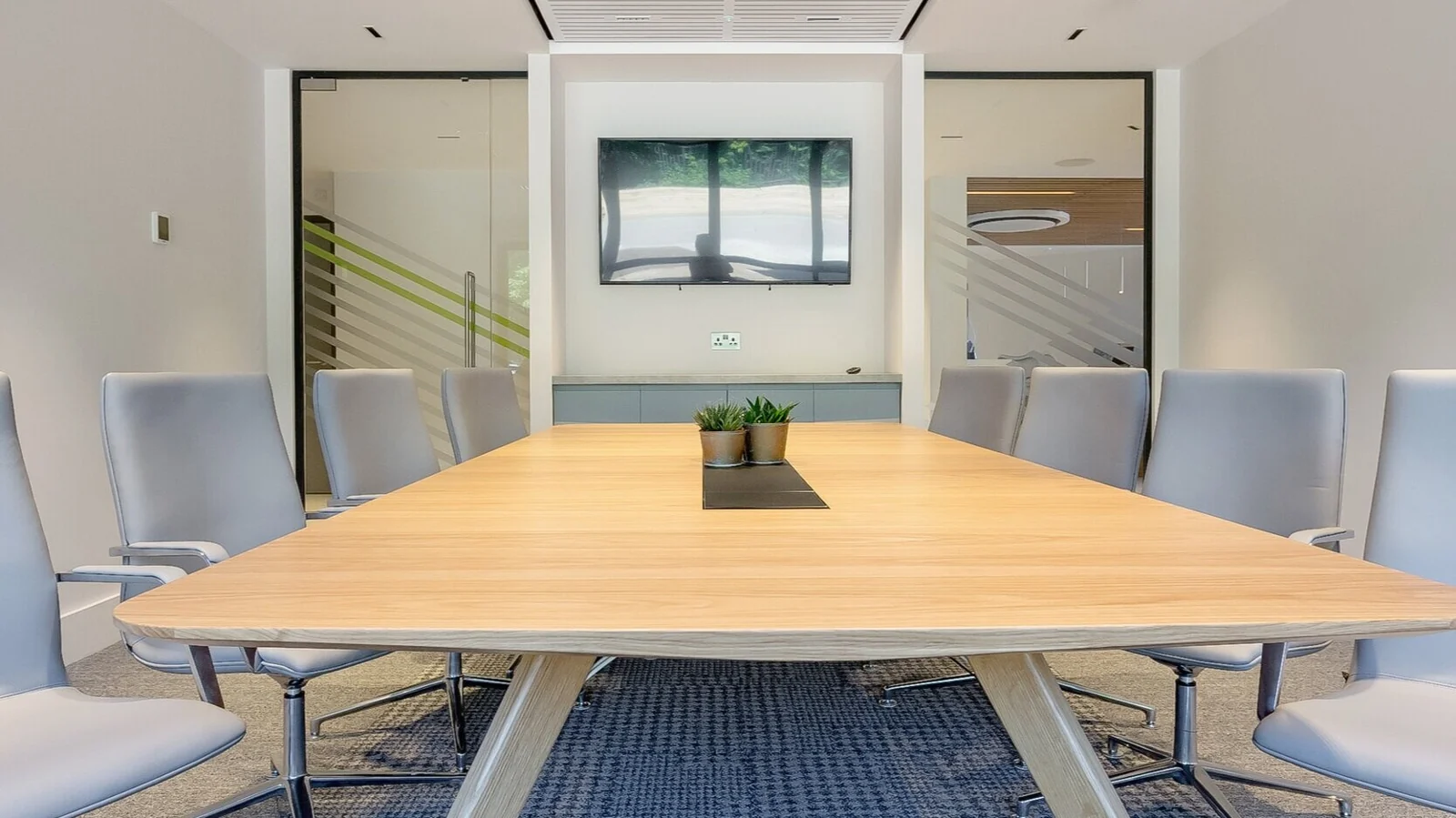
Multi-optic recessed downlights explained
Multi-optic recessed downlights such as Foss group several small, individually shielded LED optics in one housing, giving high output, very low glare and precise beams.
Specification · 5 min
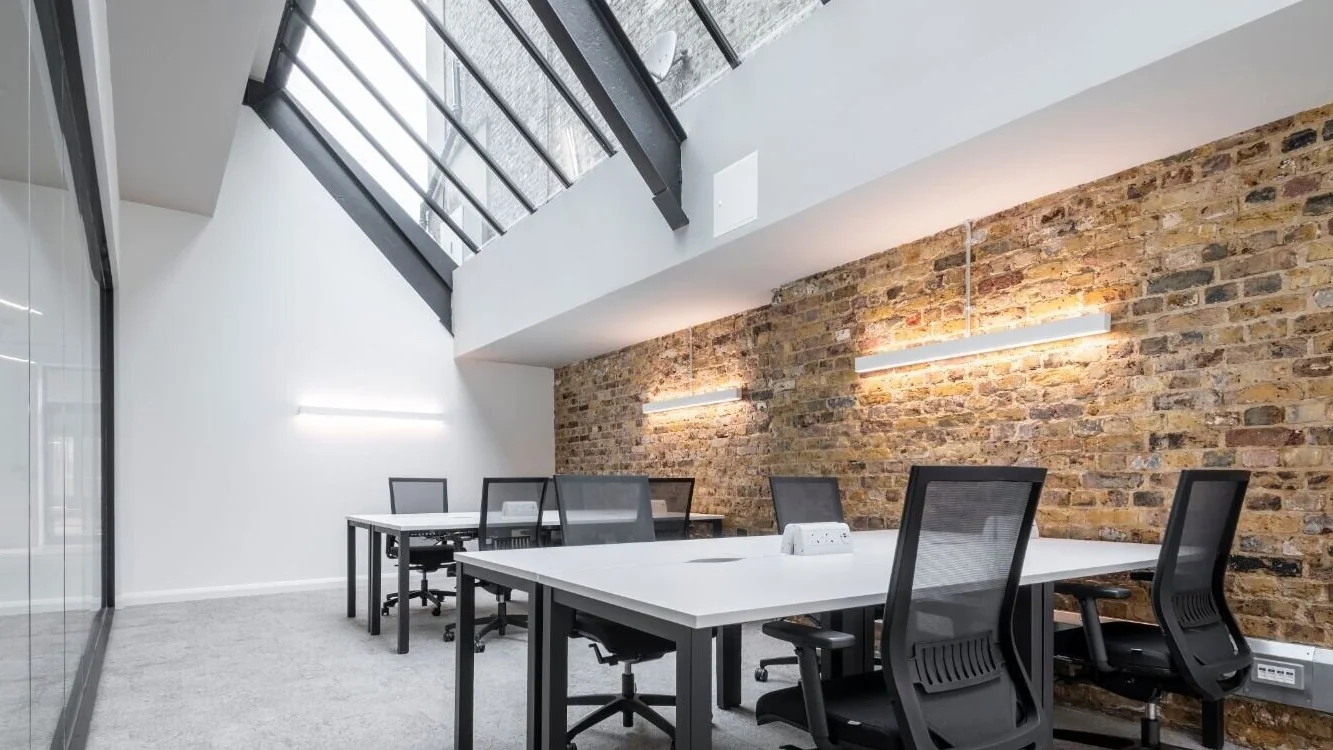
Glare and UGR in recessed lighting
Recessed lighting glare is measured using UGR; aim for UGR 19 or lower in offices and classrooms by choosing well-shielded optics and confirming with room calculations.
Specification · 4 min
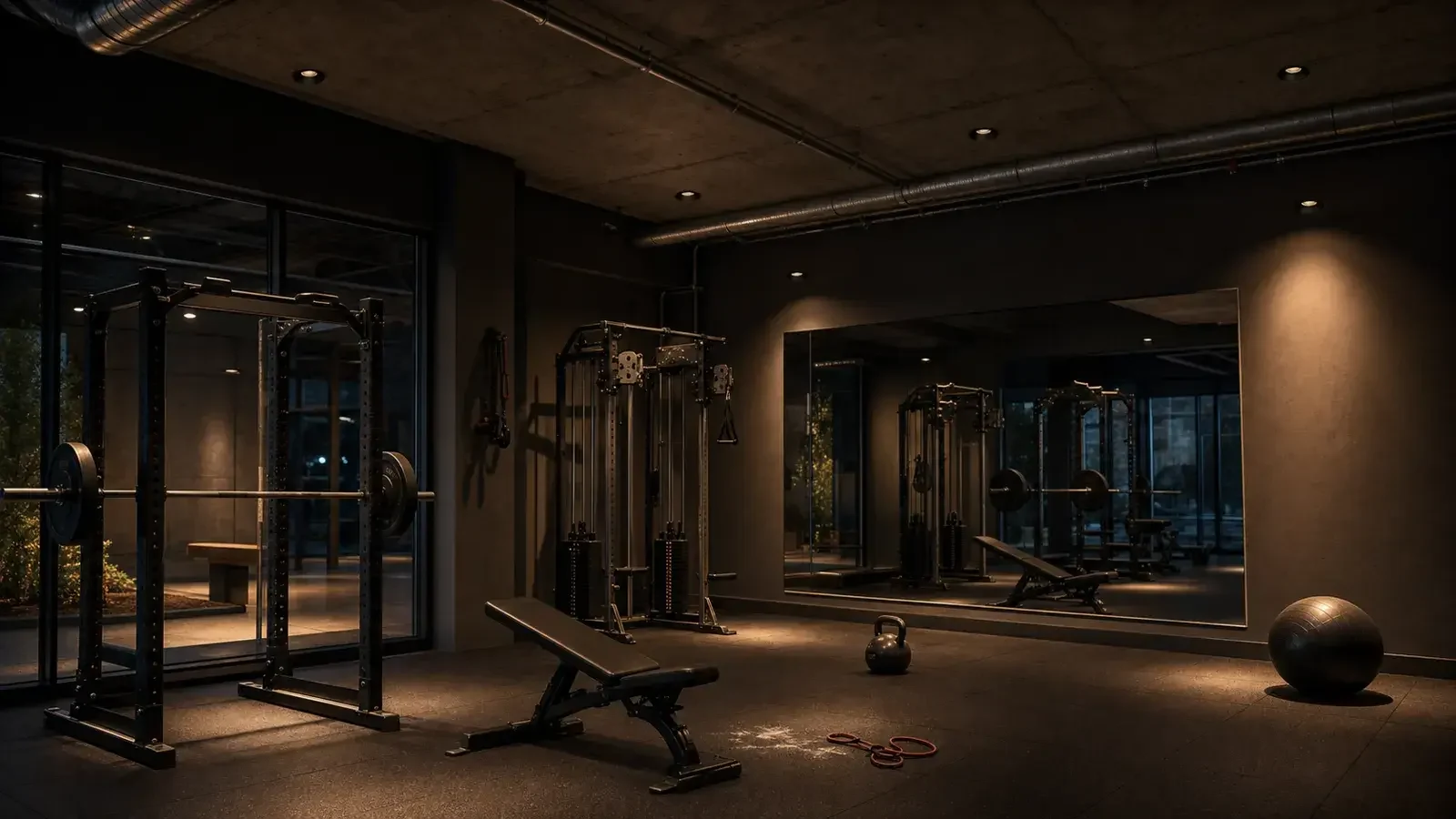
Downlight beam angles explained
Beam angle controls how widely a downlight spreads light: narrow beams accent, medium beams suit general light in higher ceilings, and wide beams give even coverage.
Specification · 5 min
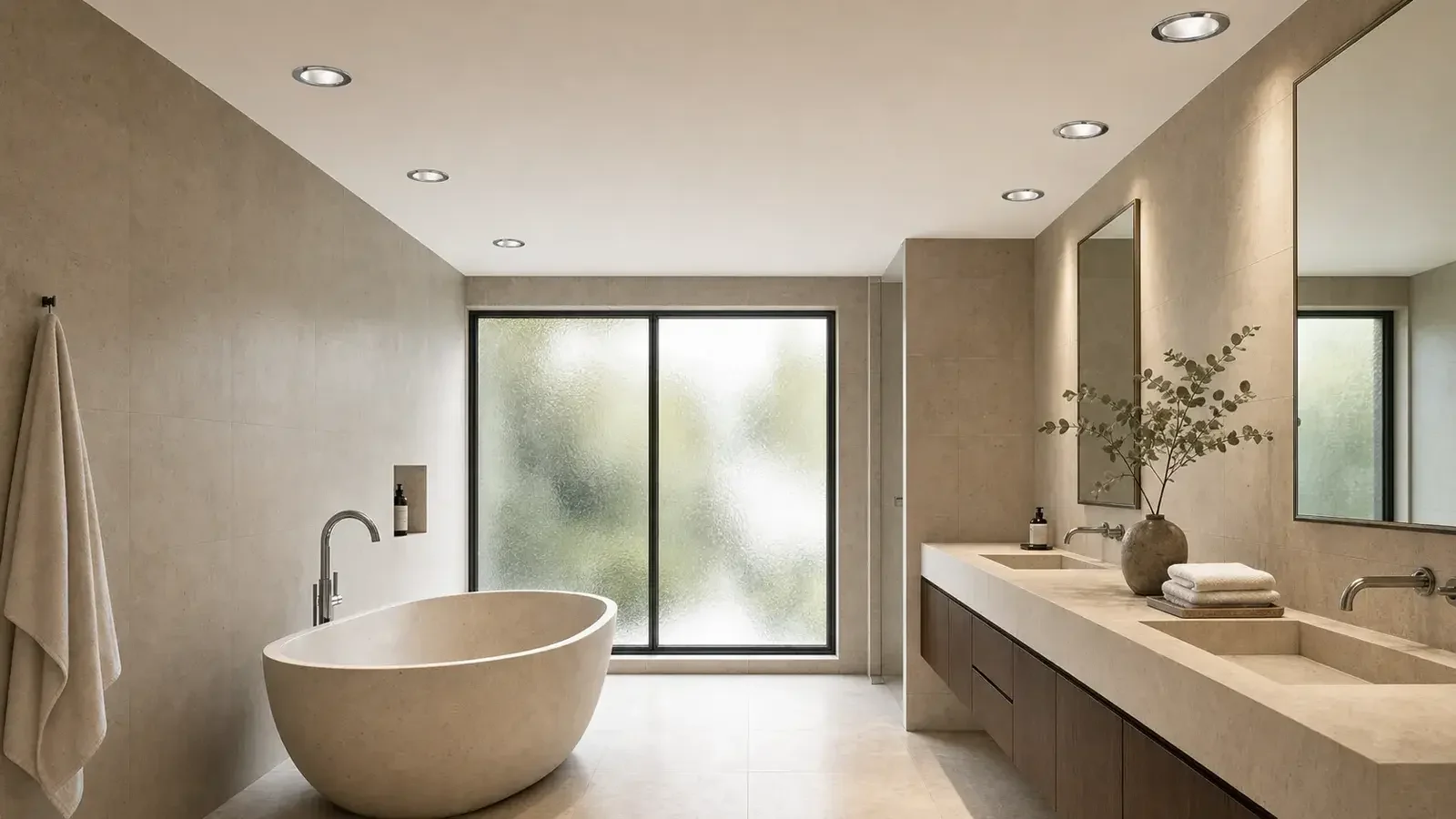
IP ratings for recessed downlights explained
IP ratings describe protection against dust and water; recessed downlights in bathrooms, kitchens and other damp areas need a rating suited to their location and zone.
Specification · 4 min
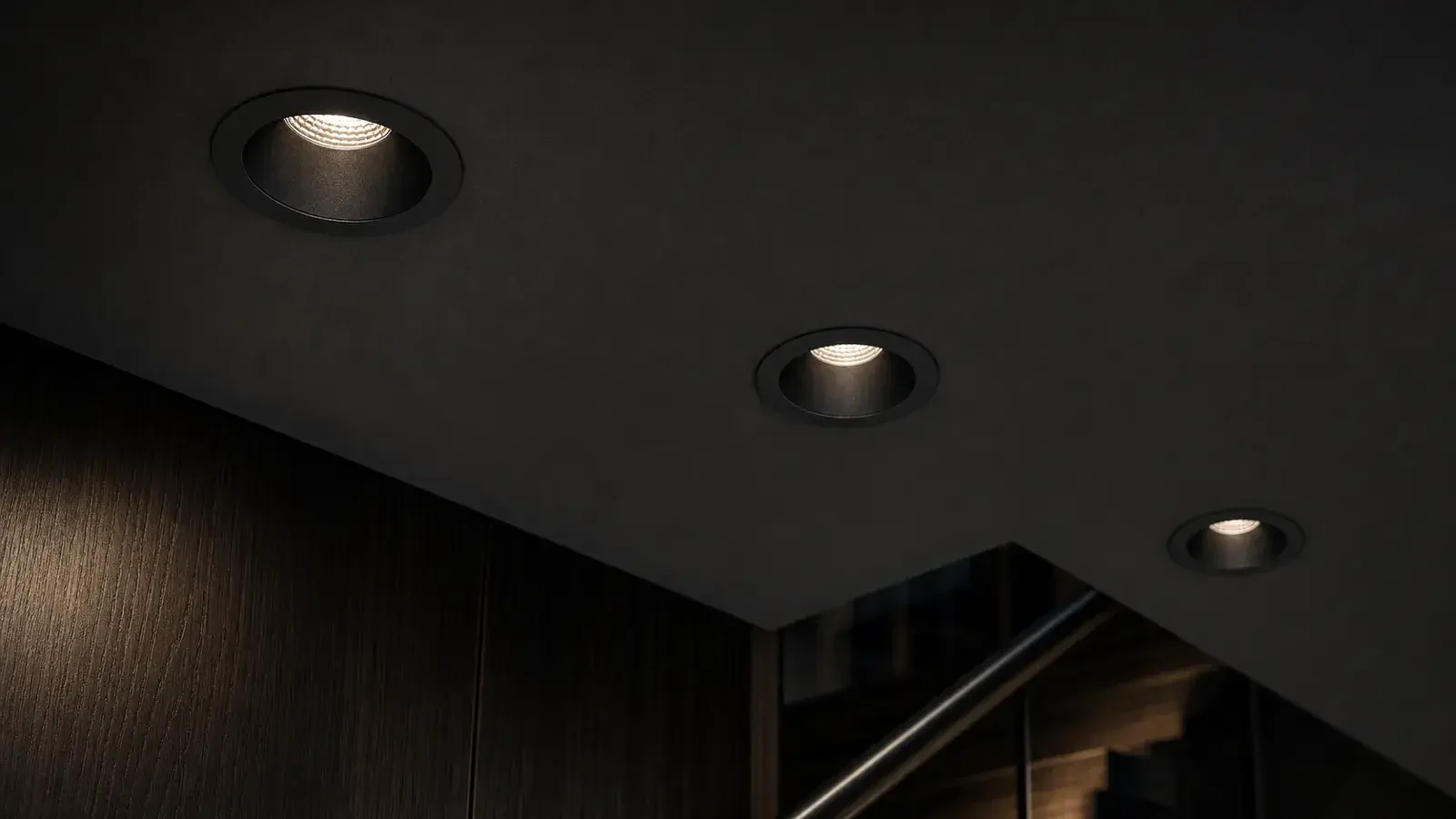
Choosing colour temperature for recessed lighting
Most commercial recessed lighting uses 3000K to 4000K; warmer 2700K to 3000K suits hospitality, while 4000K suits offices and education.
Specification · 4 min
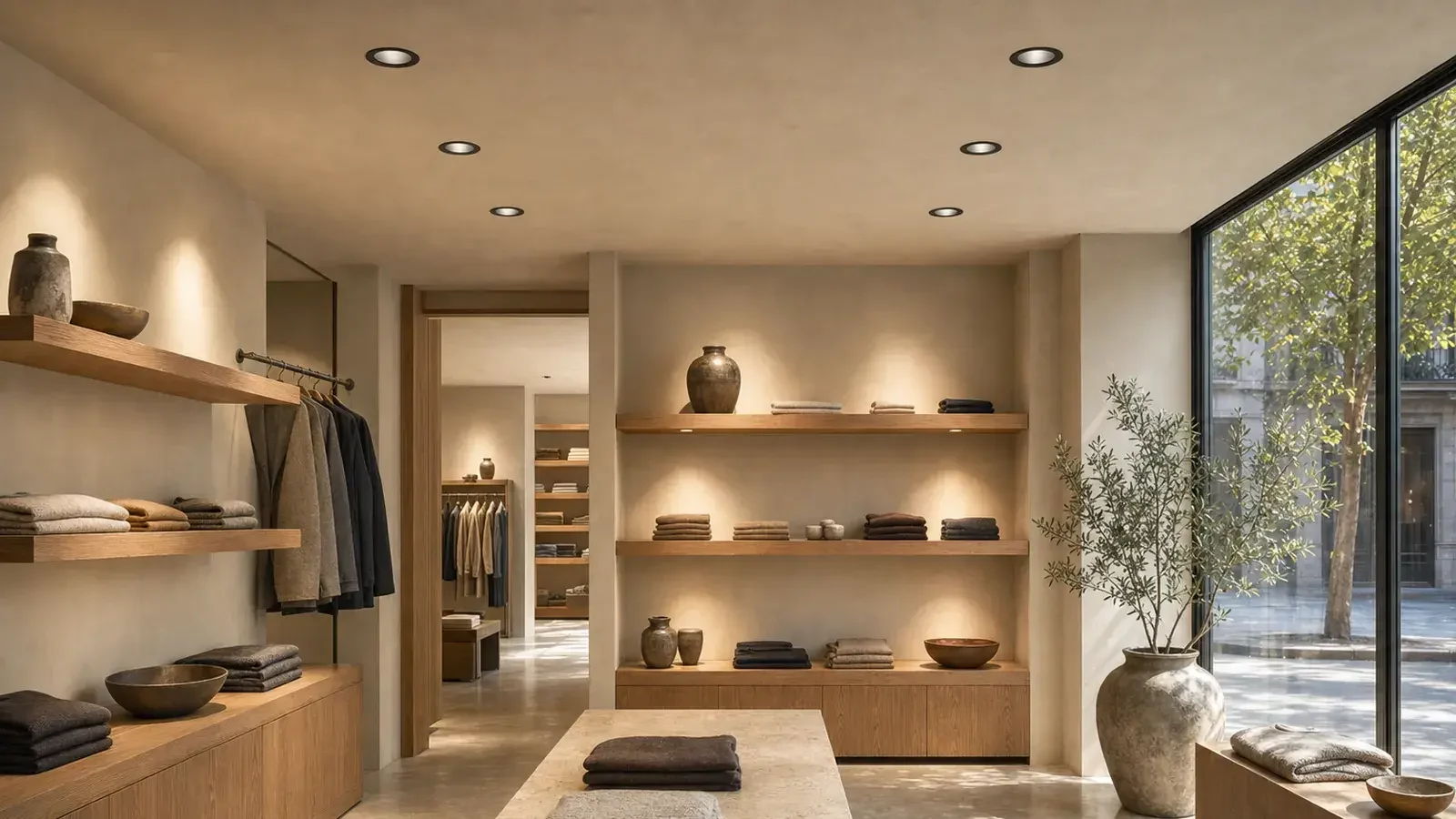
Colour rendering (CRI) in recessed lighting
CRI measures how accurately light shows colours; specify CRI 80 for general areas and CRI 90+ for retail, hospitality, galleries and client-facing spaces.
All specification guides
- Multi-optic recessed downlights explained — Multi-optic recessed downlights such as Foss group several small, individually shielded LED optics in one housing, giving high output, very low glare and precise beams.
- Glare and UGR in recessed lighting — Recessed lighting glare is measured using UGR; aim for UGR 19 or lower in offices and classrooms by choosing well-shielded optics and confirming with room calculations.
- Downlight beam angles explained — Beam angle controls how widely a downlight spreads light: narrow beams accent, medium beams suit general light in higher ceilings, and wide beams give even coverage.
- IP ratings for recessed downlights explained — IP ratings describe protection against dust and water; recessed downlights in bathrooms, kitchens and other damp areas need a rating suited to their location and zone.
- Choosing colour temperature for recessed lighting — Most commercial recessed lighting uses 3000K to 4000K; warmer 2700K to 3000K suits hospitality, while 4000K suits offices and education.
- Colour rendering (CRI) in recessed lighting — CRI measures how accurately light shows colours; specify CRI 80 for general areas and CRI 90+ for retail, hospitality, galleries and client-facing spaces.
Start a project
Send us your ceiling plan. We'll respond quickly.
Book a free consultation, or send drawings for a recessed lighting layout and quote.
Enquire with 299 Lighting →