In short
Recessed lighting glare is measured using UGR; aim for UGR 19 or lower in offices and classrooms by choosing well-shielded optics and confirming with room calculations.
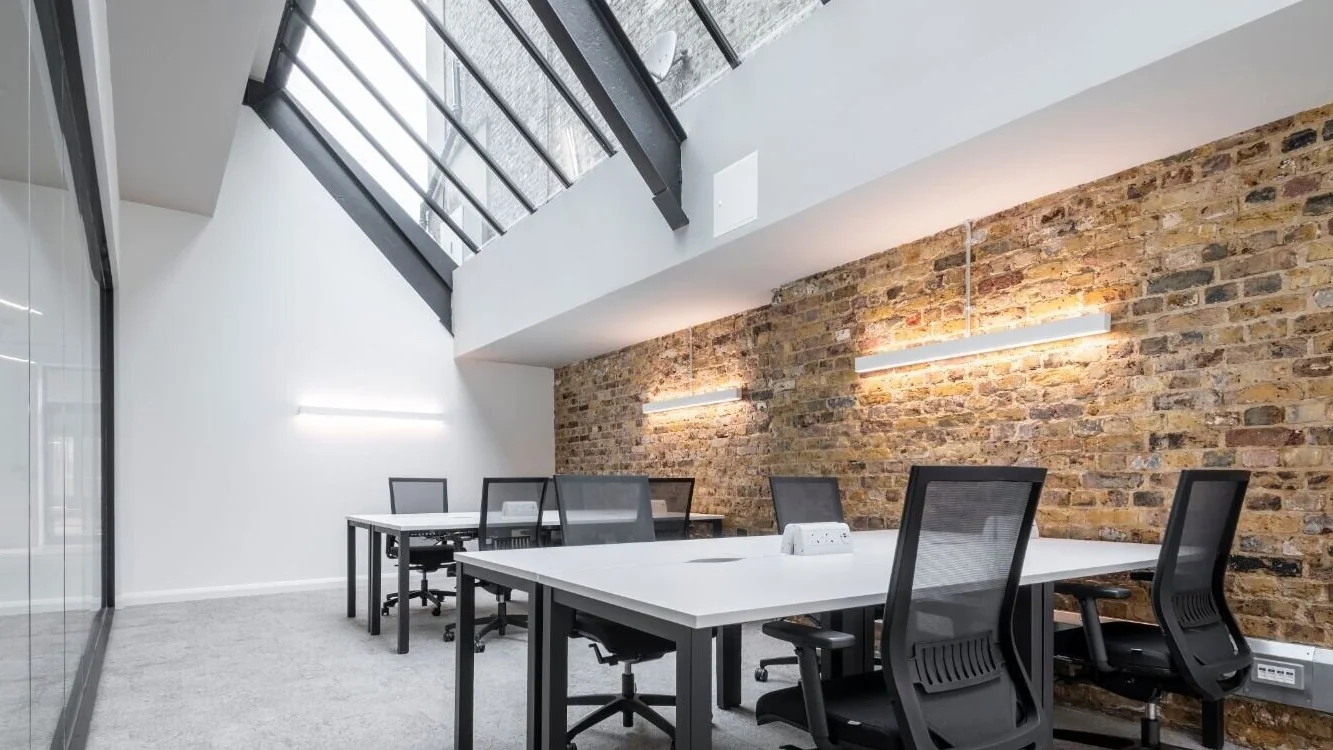
Glare is the most common complaint about ceiling lighting. In recessed schemes it depends on how bright the fitting looks from normal viewing angles.
What UGR measures
The Unified Glare Rating predicts discomfort glare for a given room, layout and viewing position. Lower is better, and UGR 19 is the usual target for offices and classrooms.
How to reduce glare
- Choose microprismatic or louvred optics for linear profiles
- Choose deep-set or well-shielded downlights
- Avoid very high-output fittings in low ceilings
- Use wall lighting to balance contrast
Check the calculation
A datasheet UGR figure is for a standard room. Always confirm with a calculation for your actual layout.
Further reading at 299 Lighting
Next steps on recessedlighting.co.uk
Planning a recessed scheme?
Send us your reflected ceiling plan. We'll come back with a product shortlist, ceiling cut-out details and lighting calculations.
Start a project →Frequently asked questions
What UGR is required for offices?
UGR 19 or lower is the typical target for offices and other screen-based work.
Which recessed downlights have the lowest glare?
Multi-optic fittings with deep, black anti-glare optics, such as Foss at UGR <13, are among the lowest-glare options.