In short
Beam angle controls how widely a downlight spreads light: narrow beams accent, medium beams suit general light in higher ceilings, and wide beams give even coverage.
Choosing the wrong beam angle is one of the easiest ways to spoil a downlight scheme.
Narrow beams (around 10° to 25°)
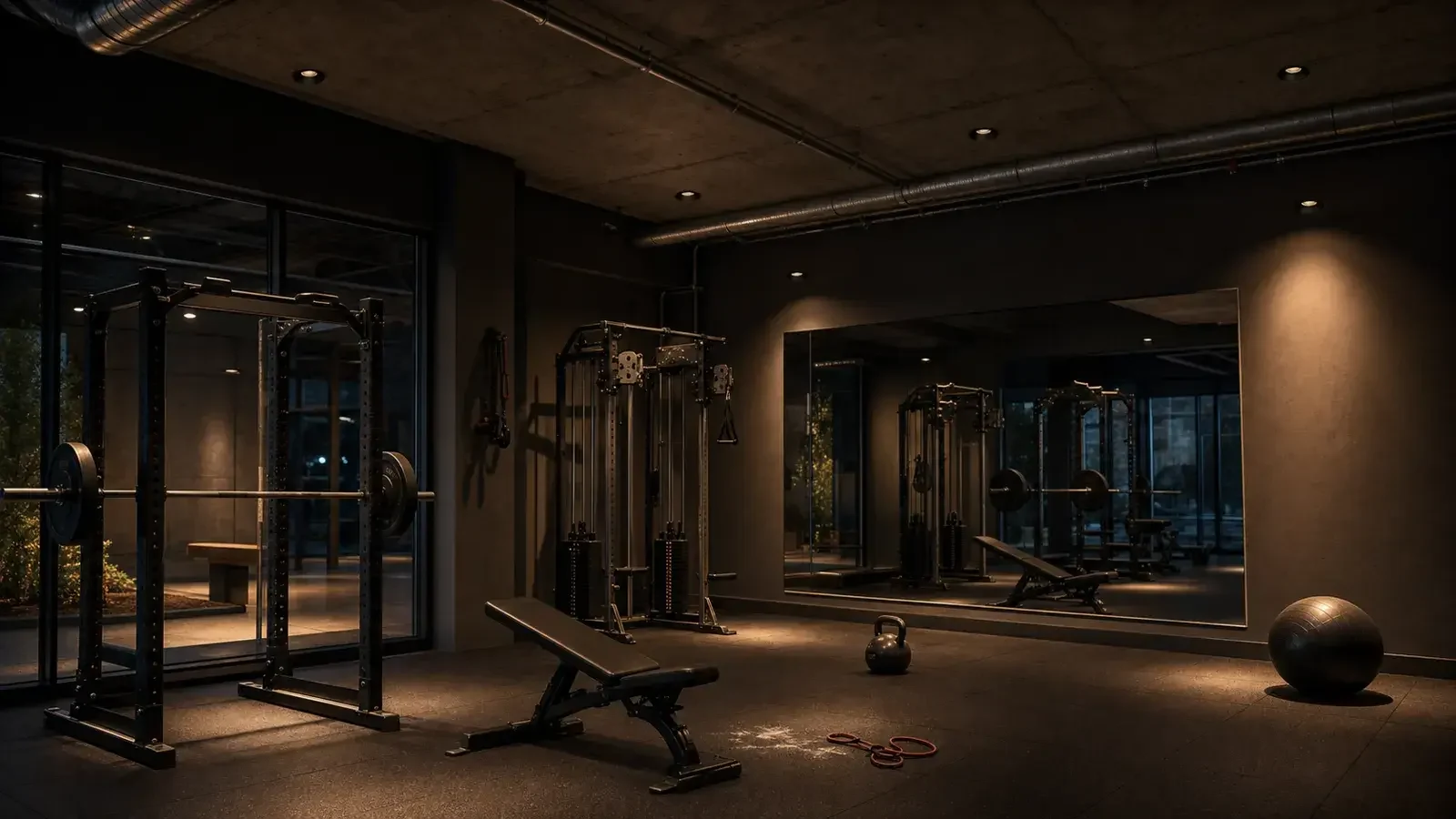
For accent lighting on artwork, displays and architectural features, or for very high ceilings.
Medium beams (around 25° to 40°)
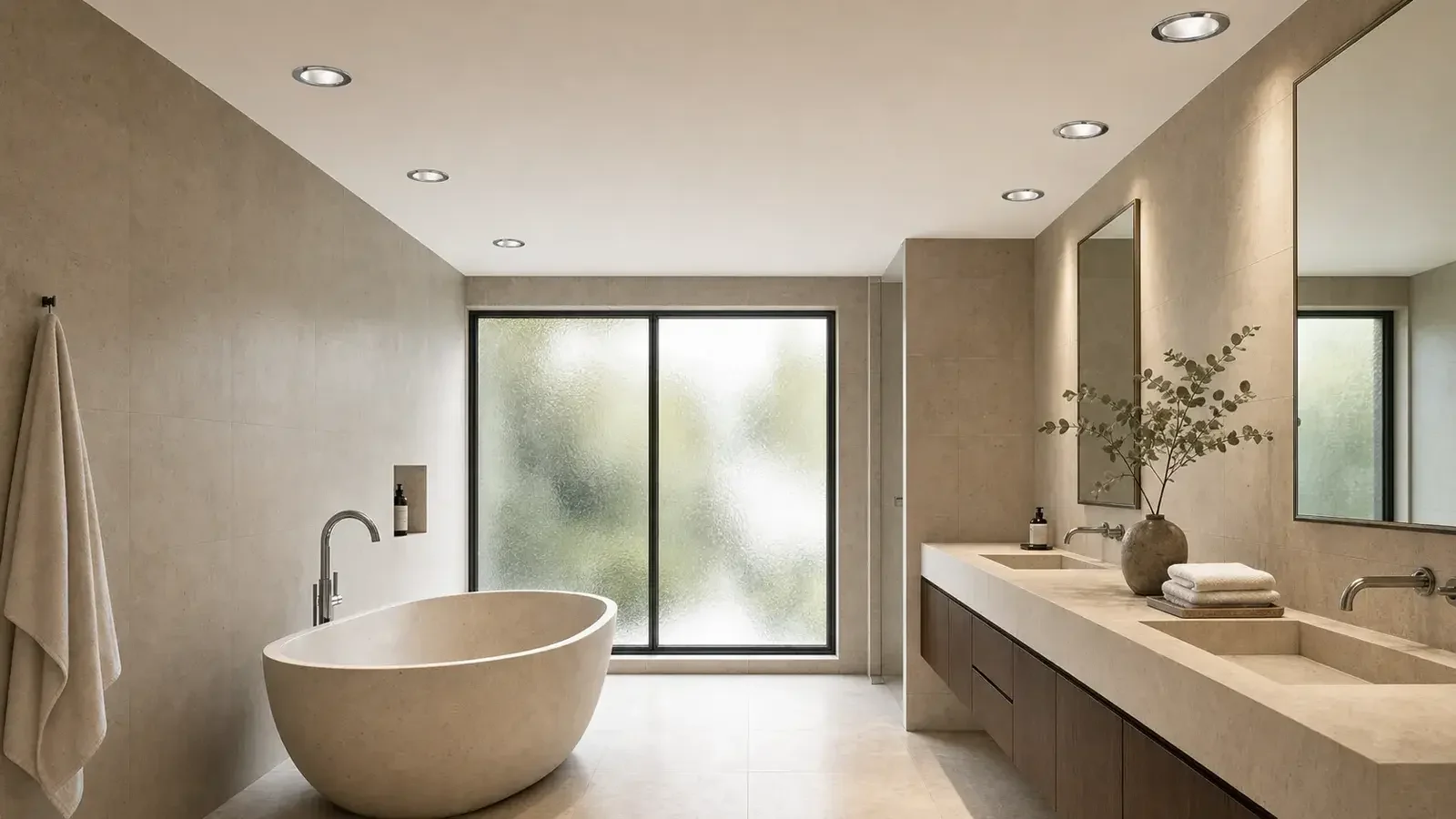
A good balance for general lighting in taller spaces, and for punchier light in retail and hospitality.
Wide beams (around 40° and above)
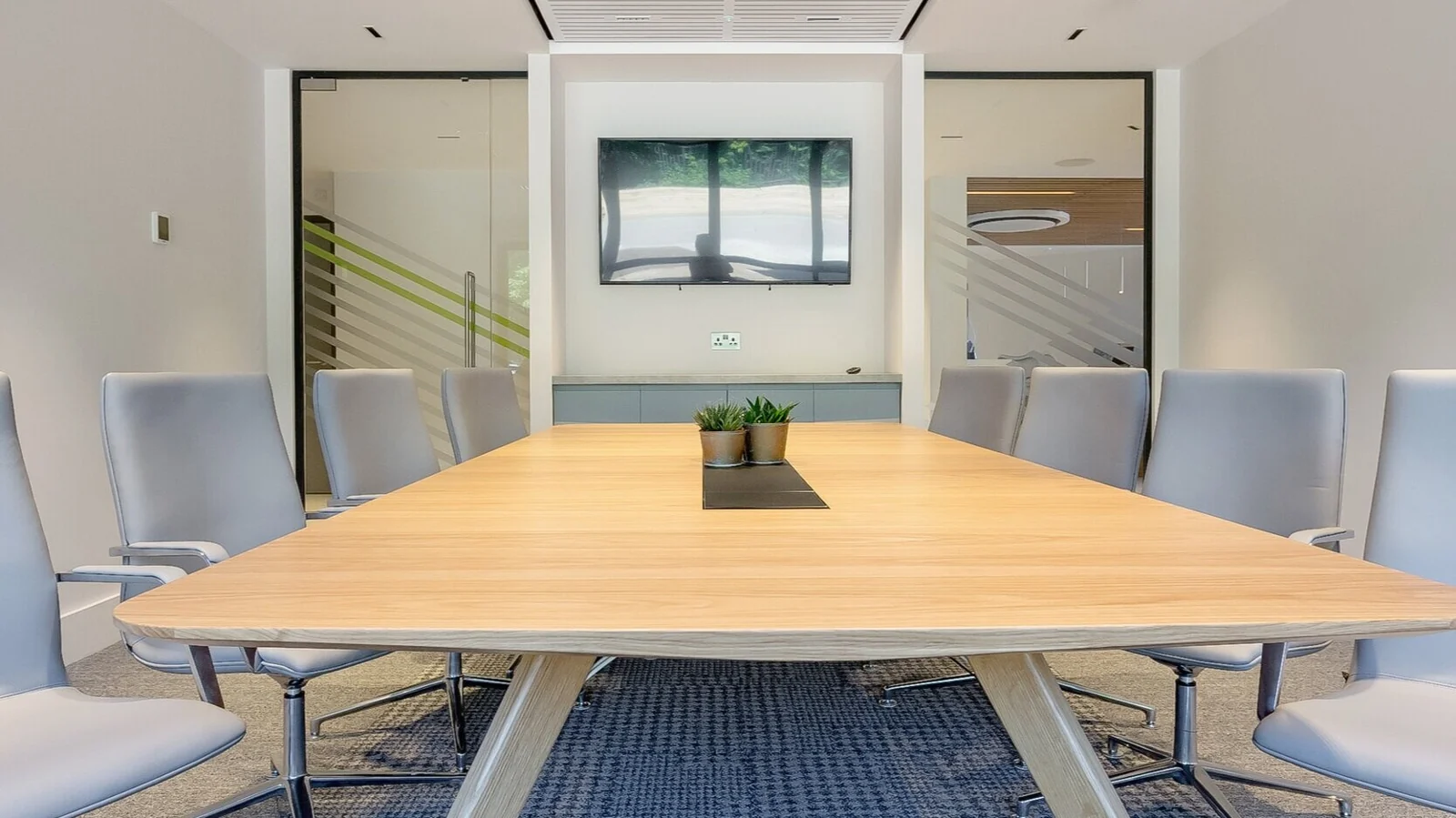
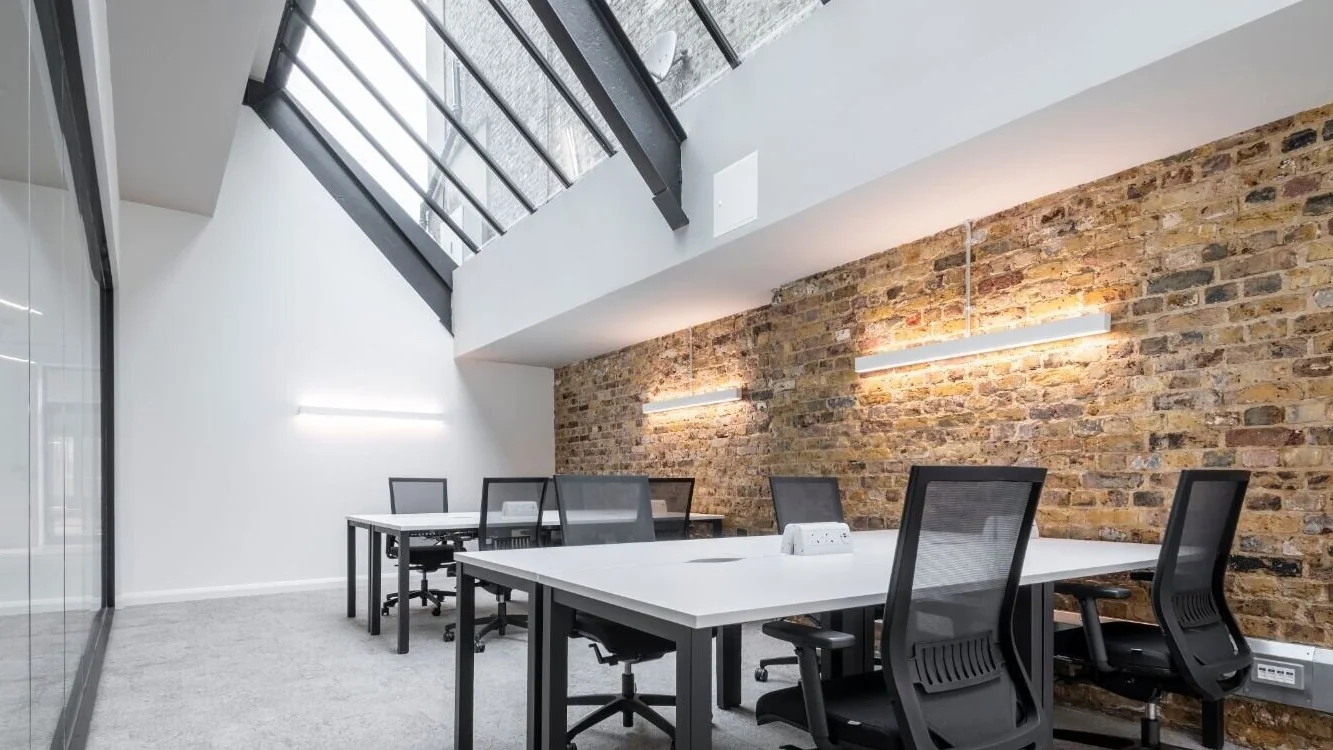
For even general lighting in offices, corridors and lower ceilings.
Rules of thumb
- Higher ceilings usually need narrower beams
- Lower ceilings need wider beams for overlap
- Use a calculation to check uniformity
Further reading at 299 Lighting
Next steps on recessedlighting.co.uk
Planning a recessed scheme?
Send us your reflected ceiling plan. We'll come back with a product shortlist, ceiling cut-out details and lighting calculations.
Start a project →Frequently asked questions
What beam angle should office downlights have?
Usually medium to wide, depending on ceiling height and spacing. Confirm with a lighting calculation.
What beam angle is best for accent lighting?
Narrow beams, typically below 25°, for artwork and displays.